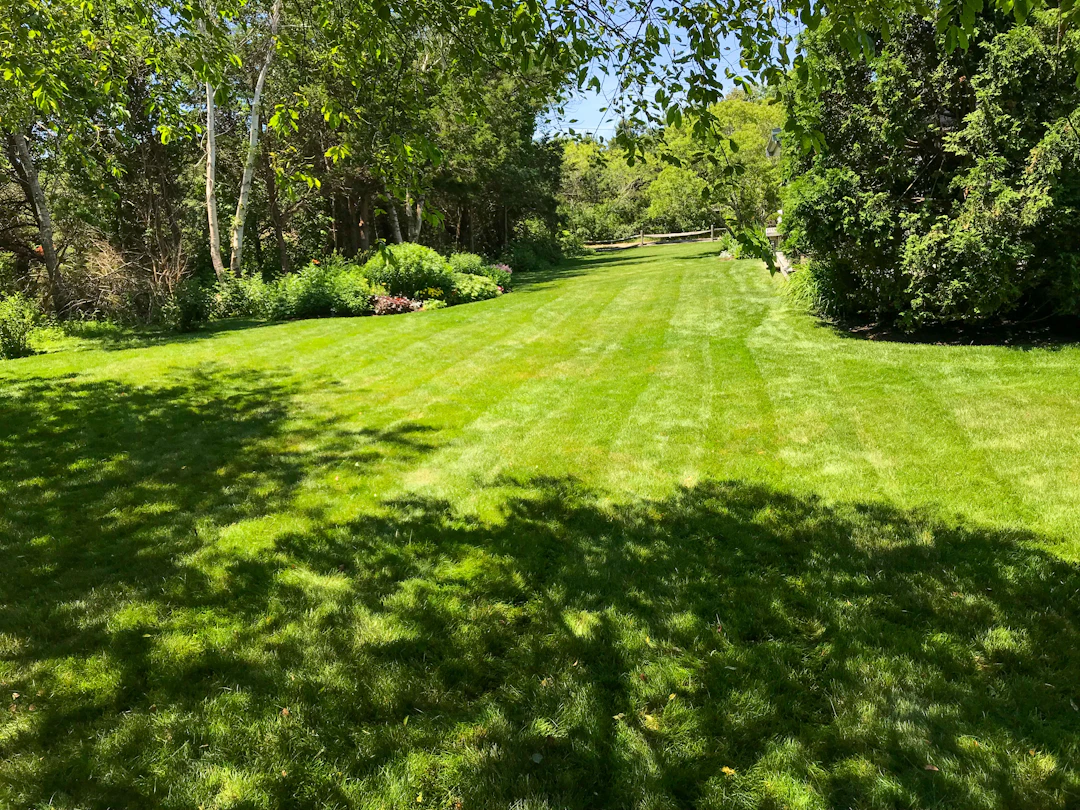
Transform Your Backyard: The Art of Integrating Hardscaping with Softscaping

Updated: Sep 14, 2025

Are you looking to elevate the aesthetics and functionality of your backyard? Integrating hardscaping with softscaping is an essential strategy to achieve a harmonious space that dazzles and serves a purpose. In this post, we’ll delve into effective methods to combine both elements to create a stunning outdoor area.
Understanding Hardscaping and Softscaping
Before diving into the integration process, it’s crucial to understand what hardscaping and softscaping entail.
Hardscaping: This refers to the non-living elements of your outdoor space. It includes features like patios, walkways, retaining walls, and new paving materials that contribute to the structural foundations of your landscaping.
Softscaping: In contrast, softscaping encompasses the living elements — the plants, flowers, trees, and shrubs that add vibrance and life to your landscape.
Marrying these two components creates a dynamic and inviting environment that fulfills both aesthetic and functional needs.
The Importance of Integration
Integrating hardscaping with softscaping offers multiple benefits:
Aesthetic Appeal: An expertly blended design will enhance the beauty of your backyard, making it a focal point of your home.
Functional Space: Well-planned hardscaping provides usable space, whether it’s for entertaining, gardening, or simple relaxation.
Water Wise Gardening: Integration supports water-efficient practices, which are crucial in arid climates or areas experiencing drought.
Low Maintenance: Hardscaping can reduce the amount of softscaping needed, ultimately leading to lower maintenance and upkeep.
Tips for Effective Integration
Ready to start integrating hardscaping and softscaping in your backyard? Here are some tips to guide you through the process:
1. Plan Your Layout
Before starting any work, take the time to create a thoughtful design plan. Consider taking advantage of tools available for garden design. Sketch out the layout, taking into account the placement of hardscapes like pathways, seating areas, and any new paving. Determine where you'd like to introduce softscaping elements, focusing on how these areas can interact.
2. Choose Complementary Materials
The materials you choose can dramatically affect the overall feeling of your landscape. Opt for hardscape materials that harmonize with the softscape elements in terms of color, texture, and style:
Natural Stone: A timeless choice for patios and walls, natural stone can blend seamlessly with surrounding greenery.
Wood: Wooden decks or fencing can provide a warm contrast to softscaping while being eco-friendly.
Concrete Pavers: Versatile and durable, new paving options come in various styles that can match any soft landscaping you choose.
3. Implement Layering Techniques
One effective way to integrate hardscaping and softscaping is through layering. Consider using different heights and depths in your design. For example, a raised patio surrounded by colorful flower beds or a stone retaining wall bordered by shrubs can create visual interest and depth in your backyard.
4. Utilize Plant Selection Wisely
When selecting plants, consider their size, color, and blooming seasons to ensure year-round interest. It’s essential to choose species that not only enhance the appearance of the hardscapes but also thrive in your local climate. This is particularly important if you’re interested in implementing water wise gardening practices.
5. Create Pathways and Separations
Pathways serve both functional and aesthetic purposes, helping to guide visitors through your backyard space while integrating different areas. Use materials like gravel or flagstone to create a pathway that leads from hardscaped areas to softscaped sections, ensuring seamless flow and connectivity.
Incorporating Water Features
A water feature such as a fountain or pond can serve as a stunning centerpiece that accentuates both hardscape and softscape elements. Incorporate natural stones or tiles around the water feature to create an integrated look. Plus, the sound of running water adds a relaxing ambiance to your outdoor space.
Designing Zones for Different Activities
When integrating hardscaping with softscaping, think about the activities you want to encourage in your backyard. For example:
Dining Areas: Create a patio with a dining set surrounded by lush plants for a cozy feel.
Relaxation Zones: Add a seating area with comfortable furniture alongside fragrant flowers for a tranquil escape.
Play Areas: Designate an area for kids with a small lawn and perhaps a sandbox, making it both safe and welcoming.
Lighting and Atmosphere
Don’t forget about lighting! Incorporate soft lighting features in your hardscape design, such as path lights or sconces, to illuminate walkways and sitting areas. This will enhance the ambiance during evening gatherings and highlight both hardscape and softscape elements, creating a visually appealing atmosphere throughout the night.
Maintaining Harmony Through Seasonal Changes
Seasonal changes can impact your backyard dramatically. Ensure your design incorporates evergreen plants or hardy perennials that look good all year long. Additionally, plan seasonal transitions; for example, add colorful fall foliage or winter blooms to counterbalance the diminishing growth during colder months.
Pursuing Sustainability
As you embark on your backyard project, consider sustainable practices. Adopting water wise gardening techniques not only benefits the environment but also reduces water bills. This includes using drought-resistant plants, mulching to retain moisture, and incorporating rainwater collection systems that rely on your hardscapes.
Your Dream Backyard Awaits!
Integrating hardscaping with softscaping is a rewarding endeavor that will undoubtedly create a beautiful, functional, and sustainable backyard space. With careful planning and creativity, your outdoor area can become a serene escape that reflects your personal style while embracing nature.
Don’t hesitate to dive into this transformative journey! By understanding the components of both hardscaping and softscaping and employing thoughtful strategies, you’re on your way to creating an enchanting and inviting backyard. So why wait? Start planning today and bring your dream garden design to life!
FAQs
What is hardscaping?
Hardscaping refers to the non-living elements of an outdoor space, such as patios, walkways, retaining walls, and other structural features.
What is softscaping?
Softscaping encompasses the living elements of landscaping, including plants, flowers, trees, and shrubs that add vibrance and life.
Why is it important to integrate hardscaping and softscaping?
Integrating hardscaping and softscaping enhances aesthetic appeal, creates functional spaces, supports water-wise gardening, and reduces maintenance.
What are some tips for effectively integrating hardscaping with softscaping?
Key tips include planning your layout, choosing complementary materials, implementing layering techniques, selecting plants wisely, and creating pathways.
How can I maintain my backyard’s aesthetic through seasonal changes?
Incorporate evergreen plants, hardy perennials, and plan for seasonal transitions by adding colorful foliage or blooms to maintain visual interest year-round.