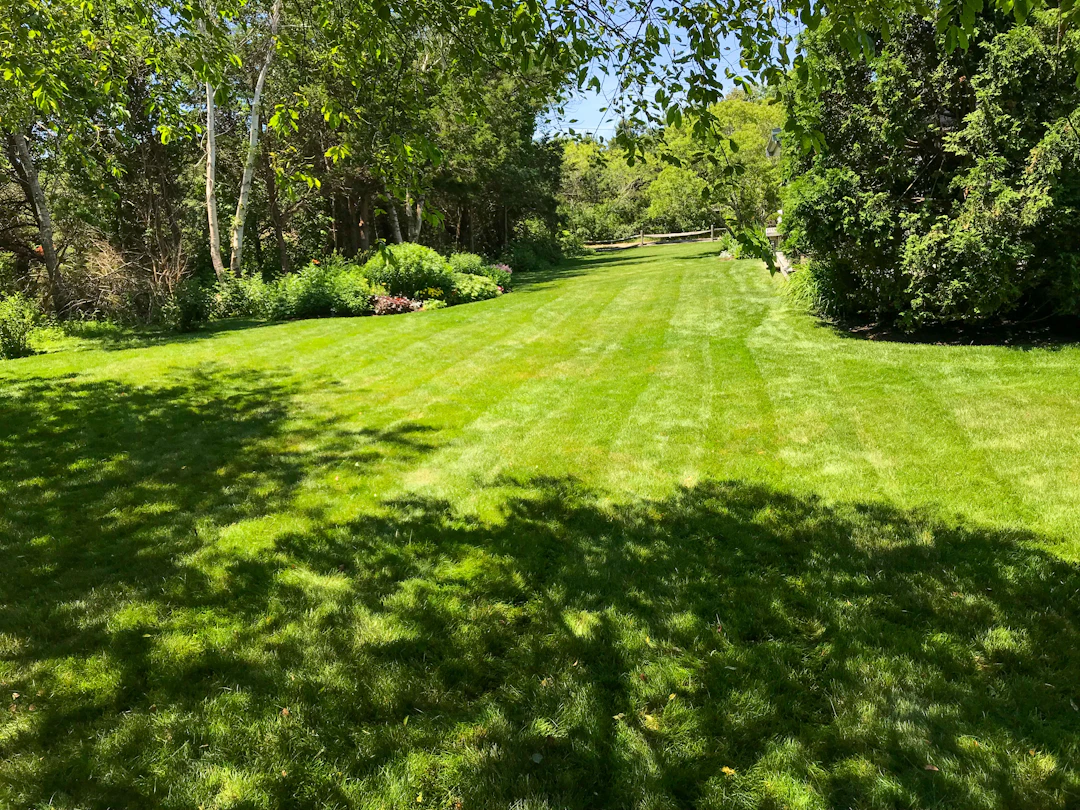
Transform Your Space: Enhancing Privacy with Fences and Plants


Overview
Enhance your outdoor privacy through strategic landscaping by choosing the right fences and incorporating plants. Privacy fences serve as barriers, while dense shrubs, tall grasses, and climbing plants can create natural screens. Consider layering plants for depth, define spaces in your garden, and maintain a cohesive aesthetic. Regular upkeep is essential for a thriving, private retreat.
Contents
Are you looking for ways to enhance your privacy while creating an inviting outdoor space? Landscaping is an essential consideration for any homeowner who values their personal space. From choosing the right fence to incorporating strategic plantings, there are numerous ways to not only secure your backyard but also elevate your overall garden design. In this article, we’ll explore how to effectively use fences and plants to create a more private and serene environment in your outdoor oasis.
The Importance of Privacy in Outdoor Spaces
Your backyard serves as a personal retreat, a place for relaxation and enjoyment. However, as urban areas become denser and neighbors closer, privacy is often compromised. Enhancing your privacy can significantly improve your outdoor experience. Whether you're entertaining friends or simply unwinding with a book, having a secluded space allows you to feel at ease.
Privacy fences are a popular solution, but the incorporation of plants can significantly boost both seclusion and aesthetics. This duo not only adds to the beauty of your garden but also has environmental benefits, supporting biodiversity and contributing to a sustainable landscape.
Choosing the Right Fencing for Privacy
Fences are the first line of defense when it comes to enhancing privacy. When considering your fencing options, think about the style and material that aligns with your overall garden design. Below are some popular types of fencing to consider:
Wood Fencing: Timeless and versatile, wood fencing can be custom-built to meet your height and design preferences. Staining or painting can further personalize your fence, ensuring it complements your landscaping.
Vinyl Fencing: For a low-maintenance option, vinyl fencing provides excellent durability and privacy without the need for constant upkeep.
Metal Fencing: While metal fences provide a modern touch, they can be less effective for privacy unless combined with dense plantings.
Composite Fencing: This eco-friendly option combines wood fibers and recycled plastic, making it a sustainable choice while maintaining privacy and style.
When selecting your fencing, consider height and opacity. A taller fence can offer greater privacy, while materials that completely block views are ideal for those seeking solitude.
Incorporating Plants for Enhanced Privacy
While fences provide a solid barrier, plants can enhance your privacy without sacrificing beauty. Here are some key considerations when integrating plants into your landscape:
Choosing the Right Plants
When it comes to planting for privacy, selecting the right types of vegetation holds the key. Dense shrubs and taller plants can create a natural barrier that not only obstructs views but also adds texture and color to your garden. Popular choices include:
Evergreen Shrubs: Species like Boxwood or Leyland Cypress maintain their foliage year-round, offering consistent privacy.
Tall Grasses: Ornamental grasses like Pampas Grass or Miscanthus can create a soft, waving screen that adds movement and interest.
Climbing Plants: Vines such as Wisteria or Clematis can scale fencing, providing a natural and lush privacy screen.
Tree Varieties: Trees like Arborvitae or Italian Cypress can serve as towering privacy shields while enhancing your garden design.
When planning for planting, remember to consider the mature height and width of the plants to ensure they effectively provide the desired level of privacy.
Layering for Privacy
Creating privacy doesn’t always mean placing one row of plants in front of your fence. Instead, think about layering for added depth and texture. You can achieve this by planting:
A mix of shrubs at the forefront,
Followed by taller plants in the middle layer,
And then trees or tall grasses at the back.
This layered approach not only offers privacy but also creates a visually appealing garden that engages the eye. As you explore various plants, also consider principles of water wise gardening to maintain a sustainable landscape that thrives in an eco-friendly manner.
Designing the Perfect Garden
When we talk about garden design, the integration of fences and plants can drastically alter the ambience and function of your outdoor space. Here are some tips to seamlessly blend your privacy elements into your garden:
Defining Spaces
Your landscape can serve multiple purposes. Privacy isn’t just about creating barriers; it’s also about defining areas within your garden. Use fences and plants to:
Create secluded lounges or firepit areas,
Build a children’s play zone,
Set apart a garden nook for vegetables or herbs,
Design pathways to connect different zones, ideally incorporating new paving for a polished finish.
Utilizing plants that bloom during different seasons can further divide these spaces visually, adding a layer of seasonal interest to your garden design.
Creating a Cohesive Aesthetic
Ensure that the colors and materials of your fence complement the plants you choose. A wooden fence pairs beautifully with lush green hedges or colorful flowering shrubs. A modern metal fence can play off grasses or architectural trees. By harmonizing the materials and colors in your design, your garden will feel cohesive and welcoming.
Utilizing Vertical Space
If yard space is limited, consider utilizing vertical gardens or planters. These options allow you to grow climbing plants and create walls of greenery on fences that provide privacy while maximizing your available area. This practice not only bars unwanted views but also adds decorative appeal.
Maintenance and Regular Upkeep
To enjoy your private garden for years to come, regular maintenance is crucial. Here are essential upkeep tips:
Prune Often: Regular pruning helps maintain the shape of your plants while encouraging healthy growth.
Check for Pests: Keep an eye out for pests or diseases that could affect your plants' health and seek out natural remedies.
Fencing Care: Ensure your fencing is in good repair by checking for rot, rust, or loose boards regularly.
Watering Wisely: Opt for a sustainable watering method to conserve water while ensuring your plants receive adequate hydration.
Incorporating water wise gardening principles into your landscape will not only enhance privacy but also contribute to environmental conservation.
Final Thoughts: Elevate Your Space with Privacy
Enhancing privacy with fences and plants transforms your outdoor area into a personal sanctuary. By exploring various fencing options, carefully selecting plants, and applying thoughtful garden design principles, you can create a space that offers seclusion and beauty. Investing the time and resources into your landscaping will not only provide privacy but will also increase the enjoyment of your outdoor experiences. So, get out there, plan your private retreat, and watch as your garden flourishes into the inviting space you've always dreamed of!
FAQs
Why is privacy important in outdoor spaces?
Privacy in outdoor spaces enhances your relaxation and enjoyment, allowing you to feel comfortable whether you're entertaining guests or unwinding alone.
What types of fencing are best for enhancing privacy?
Popular options for enhancing privacy include wood fencing for versatility, vinyl fencing for low maintenance, and composite fencing for an eco-friendly choice.
How can plants be used to improve privacy in my garden?
Plants like evergreen shrubs, tall grasses, climbing vines, and trees can create natural barriers that obstruct views while adding beauty to your garden.
What is a layered approach to planting for privacy?
A layered approach involves planting a mix of shrubs in the front, taller plants in the middle, and trees or tall grasses at the back to create depth and enhance privacy.
What maintenance tips should I follow for my privacy plants and fencing?
Regularly prune your plants, check for pests, maintain your fence's condition, and use sustainable watering methods to keep your garden healthy and private.