
Creating Wildlife-Friendly Gardens with Native Plants

Overview
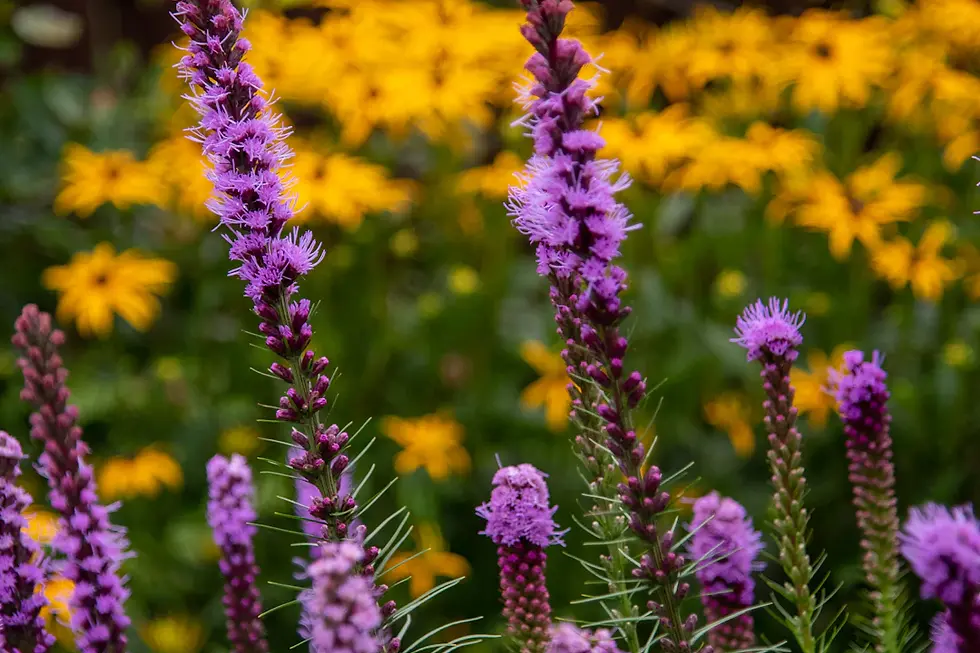
Creating a wildlife-friendly garden with native plants enhances outdoor spaces while supporting local ecosystems. This article covers selecting suitable native plants, designing diverse habitats, incorporating hardscaping elements, and implementing water-wise gardening techniques to promote biodiversity and sustainability. Regular maintenance ensures the garden thrives as a sanctuary for wildlife.
Contents
Creating a garden that not only enhances your outdoor space but also supports local wildlife is a fulfilling endeavor. By using native plants, you can achieve a stunning garden design while promoting biodiversity and benefiting the local ecosystem. This article explores the essentials of creating wildlife-friendly gardens, particularly for those interested in landscaping Perth. From selecting the right plants to implementing water wise gardening techniques, we’ll guide you through the process of transforming your garden into a sanctuary for both plants and animals.
Why Choose Native Plants?
Native plants are species that naturally occur in your region, meaning they are adapted to the local climate and soil conditions. Here are some reasons why they are ideal for wildlife-friendly gardens:
Support Local Wildlife: Native plants provide food and habitat for local wildlife, including birds, butterflies, and beneficial insects.
Low Maintenance: Since they are adapted to the local environment, native plants require less water and maintenance, making them perfect for water wise gardening.
Soil Health: Native plants help maintain healthy soil by preventing erosion and promoting nutrient cycling.
Decrease Invasive Species: By planting native species, you reduce the chances of invasive plants taking over your garden.
Factors to Consider in Your Garden Design
When designing your wildlife-friendly garden, consider the following factors:
1. Local Climate and Soil
Understanding your local climate and soil conditions is crucial. Different native plants thrive in different environments. Research local plant species that are well-suited for your geographical area. For details, consider checking resources dedicated to bringing nature home by choosing the right native plants for your climate.
2. Choosing the Right Native Plants
Selecting a variety of native plants that bloom at different times ensures a year-round food supply for wildlife. Consider including:
Nectar-rich flowers for pollinators
Fruits and seeds for birds and small mammals
Host plants for caterpillars and other larvae
For guidance on plant selection, refer to our article on mastering plant selection tips for every garden style.
3. Designing Habitats
Creating different habitats within your garden can diversify the types of wildlife it attracts. Consider these elements:
Flower Gardens: Plant diverse flowers to attract bees and butterflies.
Dense Shrubs: Include shrubs for birds to hide and nest in.
Water Features: Install a small pond or birdbath as a water source.
Check out our insights on the captivating role of water features in garden design for more ideas on attracting wildlife.
Incorporating Hardscaping Elements
While plants are essential, hardscaping elements can also enhance your wildlife garden. Consider adding:
New Paving: Create pathways that lead to different sections of your garden.
Concrete Furniture: Use durable and environmentally friendly options that blend well with your garden layout.
Natural Borders: Incorporate stone or timber to define spaces within your garden.
The interplay of hardscaping and planting not only makes your garden beautiful but also functional and inviting for wildlife. Learn more about how creating a cohesive look in garden design can enhance the overall aesthetic.
Water Wise Gardening Techniques
Implementing water wise gardening practices is essential for maintaining a sustainable garden. Here are several methods to consider:
Rainwater Harvesting: Collect rainwater from your roof through barrels or cisterns for irrigating your plants.
Drip Irrigation: Use drip systems that deliver water directly to the plant roots, minimizing waste.
Mulching: Apply mulch around plants to retain soil moisture and reduce evaporation.
Utilizing these strategies not only conserves water but also creates an inviting space for wildlife by promoting a healthier garden ecosystem.
Maintenance Tips for Your Native Plant Garden
To ensure your wildlife-friendly garden thrives, regular maintenance is indispensable. Here are some tips:
Monitoring Growth: Keep an eye on plant growth and remove any invasive species that might intrude.
Pruning: Prune overgrown plants to encourage new growth and maintain healthy shapes.
Seasonal Care: Adjust your care routine based on seasonal changes, ensuring year-round wildlife provision.
Understand the intricacies of sustaining your garden by exploring maintaining your new garden effectively.
Embrace Your Beautiful Retreat
Creating a wildlife-friendly garden using native plants is an investment in your local environment and brings joy to your outdoor space. By integrating thoughtful garden design, implementing water wise gardening techniques, and incorporating sustainable hardscaping elements like new paving, you are establishing a personal paradise. The effort you put into this project not only beautifies your home but also plays a crucial role in nurturing local wildlife. Step outside, breathe the fresh air, and watch as your garden flourishes into a vibrant sanctuary that celebrates nature in all its beauty.
FAQs
What are the benefits of using native plants in my garden?
Native plants support local wildlife, require less maintenance, promote healthy soil, and help decrease invasive species.
How can I create different habitats in my wildlife-friendly garden?
You can create diverse habitats by including flower gardens, dense shrubs, and water features like ponds or birdbaths.
What are some water wise gardening techniques I can implement?
You can utilize rainwater harvesting, drip irrigation, and mulching to conserve water and support a healthy garden ecosystem.
What maintenance tips should I follow for my native plant garden?
Regularly monitor plant growth, prune overgrown plants, and adjust care routines based on seasonal changes.
How can hardscaping elements enhance my wildlife garden?
Hardscaping elements like pathways, concrete furniture, and natural borders can beautify your garden while making it more functional and inviting for wildlife.


