
Elevate Your Outdoors: The Beauty of Concrete Furniture in Your Design

Overview
Concrete furniture is a growing trend in outdoor design, offering durability, versatility, and minimal maintenance. It enhances spaces from small balconies to grand patios, blending aesthetics with functionality. Key tips for incorporating concrete include defining spaces, mixing materials, adding plants for softness, considering seasonal changes, and selecting the right styles and finishes. Regular maintenance is essential to keep concrete looking its best. Overall, concrete furniture can transform outdoor areas into stylish, eco-friendly retreats.
Contents
The trend of incorporating concrete furniture into outdoor designs has been gaining traction in the world of garden design, particularly in cities like Perth, where the outdoor spaces serve as extensions of our homes. Whether you’re refurbishing a small balcony or designing a grand patio, concrete offers a blend of aesthetics and durability that can enhance any outdoor setting.
From stylish outdoor seating to striking tables, concrete furniture brings a modern yet timeless touch to landscaping. In this guide, we will explore how you can incorporate concrete furniture into your outdoor design, along with some tips for ensuring that your garden remains water wise and beautifully landscaped.
Understanding the Appeal of Concrete Furniture
There are several reasons why concrete furniture stands out in outdoor design:
Durability: Concrete furniture is built to last. It can withstand harsh weather conditions, making it ideal for outdoor settings.
Versatility: Available in various shapes, sizes, and finishes, concrete furniture can be molded to fit any design aesthetic — from rustic to modern.
Minimal Maintenance: Unlike wood, concrete does not require constant treatments or finishes. A simple wash is often enough to keep it looking good.
Eco-Friendly Options: Many manufacturers are creating sustainable concrete products, aligning with the principles of water wise gardening and eco-conscious landscaping.
Incorporating Concrete Furniture into Your Outdoor Space
Integrating concrete pieces into your garden requires careful thought and planning. Here are some key considerations:
1. Define Your Space
Start by understanding how each area of your outdoor space will be used. For example, are you creating a cozy seating area for entertaining, or a quiet nook for reading? Concrete benches and tables can serve both purposes, but their placement needs to enhance functionality. Consider using concrete plinths to create designated zones within your garden, allowing for a more structured and intentional design as suggested in Creating Zones In Your Garden Design.
2. Mix and Match Materials
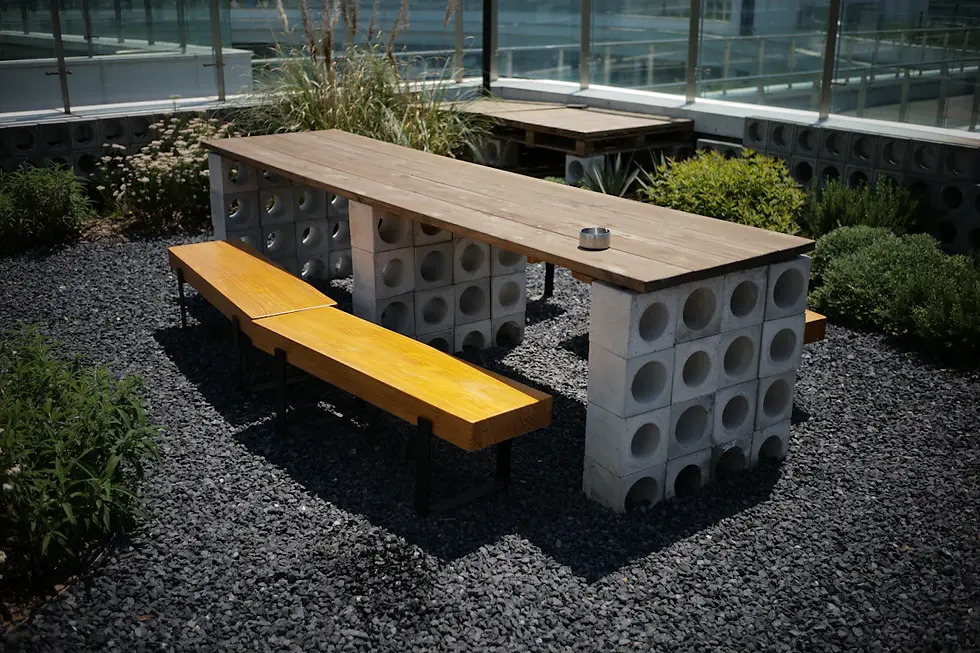
While concrete provides a strong visual anchor, layering different materials can enhance the overall aesthetic. Combining concrete with natural elements, such as wood or stone, can create an inviting and eclectic atmosphere. Explore the art of combining different textures in your landscaping with ideas from Mixing Textures With Concrete And Stone.
3. Enhance with Plants
To soften the starkness of concrete, incorporate plants and greenery into your design. Flowering plants or lush greenery can beautifully contrast the smooth surfaces of concrete furniture. This not only makes the space more inviting but also aligns with principles of water wise gardening by allowing you to select drought-resistant plants that require minimal care.
4. Consider Seasonal Changes
Outdoor furniture should be versatile enough to accommodate seasonal changes. When incorporating concrete into your landscape, think about how these elements will look throughout different seasons. For instance, in warmer months, you might want to place bright cushions on your concrete benches, while in cooler months, you can use rugs to add warmth and texture.
Choosing the Right Concrete Furniture
Concrete comes in a variety of styles and finishes. When selecting concrete furniture for your garden design, consider the following:
Style: Whether you prefer a sleek modern look or a more textured, rustic feel, there is a concrete option available to suit your style.
Finish: Concrete can be left raw for an industrial look, or it can be polished or treated for a more refined finish.
Functionality: Think about how you will use the furniture. Choose tables that are the right height for dining and benches that allow for comfortable seating.
Tips for Maintaining Your Concrete Furniture
To keep your concrete furniture looking its best, routine maintenance is necessary:
Cleaning: Regularly wash your concrete surfaces with soap and water to remove dirt and debris. Avoid harsh chemicals that may damage the surface.
Sealing: If your furniture is sealed, consider reapplying the sealant every few years to protect against stains and weather exposure.
Covering: To prolong the life of your concrete furniture, consider using protective covers during severe weather or when not in use.
How Concrete Furniture Complements Other Landscaping Elements
Concrete furniture works seamlessly with various elements in your landscaping scheme. When paired with stones or boulders, for instance, it can create a cohesive and beautiful outdoor ecosystem. For more on using natural stone in your landscaping, refer to Incorporating Natural Stone Boulders Into Your Landscape.
Additionally, concrete furniture enhances functionalities, as it can serve as a beautiful backdrop for planters or fire pits, tying together various elements within your garden. The combination enables flexibility in design and performance.
Planning for the Future: The Role of New Paving
As you set out to create your ideal garden, consider how new paving can act as a canvas for your concrete furnishings. Your paving choices will largely dictate the aesthetic direction of your outdoor space:
Choose complementary materials: The type of paving you select can enhance or clash with your concrete furniture. Make sure to opt for colors and textures that harmonize.
Provide stability: A solid paved surface can provide increased stability for larger pieces of concrete furniture, ensuring they stand the test of time.
Design flow: Your paving can establish pathways that guide visitors through your garden, providing a natural flow that connects different outdoor spaces.
Unlocking the Full Potential of Concrete in Landscaping
The beauty of incorporating concrete furniture into your outdoor design lies not only in its aesthetic appeal but also in its potential to transform functional spaces. By choosing the right pieces and complementing them with effective landscaping practices, your outdoor area can become a thriving invitation for relaxation and social gatherings.
So, whether you're entertaining guests or enjoying a quiet evening under the stars, let the durability and timeless elegance of concrete furniture redefine your outdoor experience. By understanding and utilizing landscaping principles and integrating beautiful elements like concrete furniture, you can create a stunning outdoor retreat that reflects both your style and sustainability goals.
FAQs
What is the appeal of concrete furniture in outdoor design?
Concrete furniture is known for its durability, versatility, minimal maintenance requirements, and eco-friendly options, making it an ideal choice for outdoor spaces.
How can I effectively incorporate concrete furniture into my outdoor space?
To incorporate concrete furniture, define your space by determining its purpose, mix materials for a layered aesthetic, enhance with plants, and consider seasonal changes in your design.
What should I consider when choosing concrete furniture for my garden design?
When selecting concrete furniture, consider the style, finish, and functionality to ensure it fits your design aesthetic and meets your usage needs.
What maintenance is recommended for concrete furniture?
Routine maintenance for concrete furniture includes regular cleaning with soap and water, reapplying sealant as needed, and using protective covers during severe weather.
How does concrete furniture complement other elements in landscaping?
Concrete furniture works well with various landscaping elements, creating cohesiveness when paired with stones and enhancing functionalities as a backdrop for planters or fire pits.


